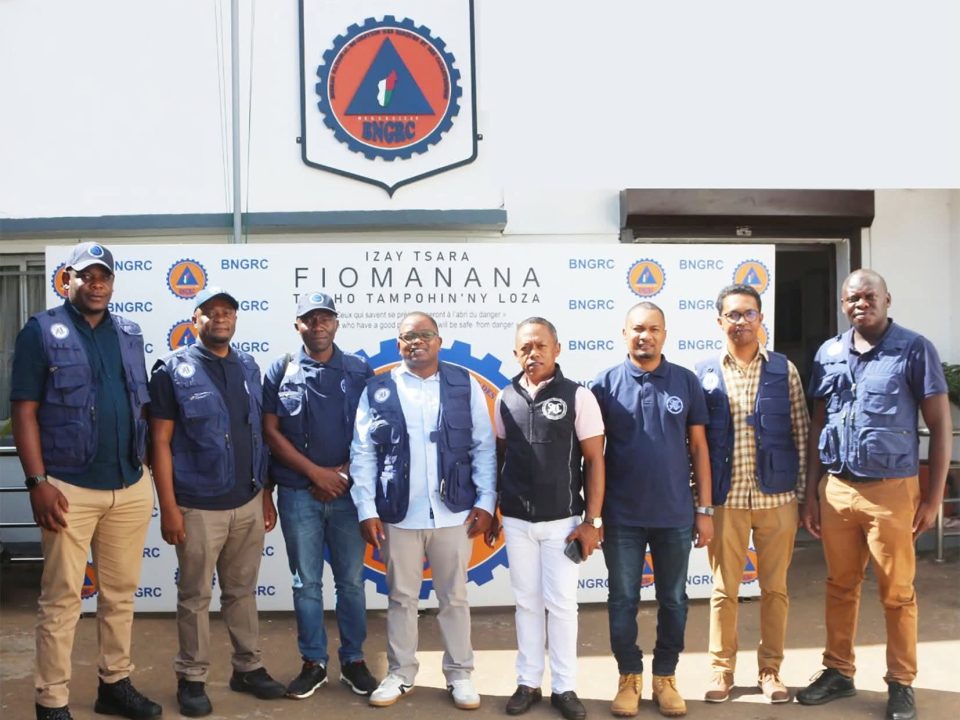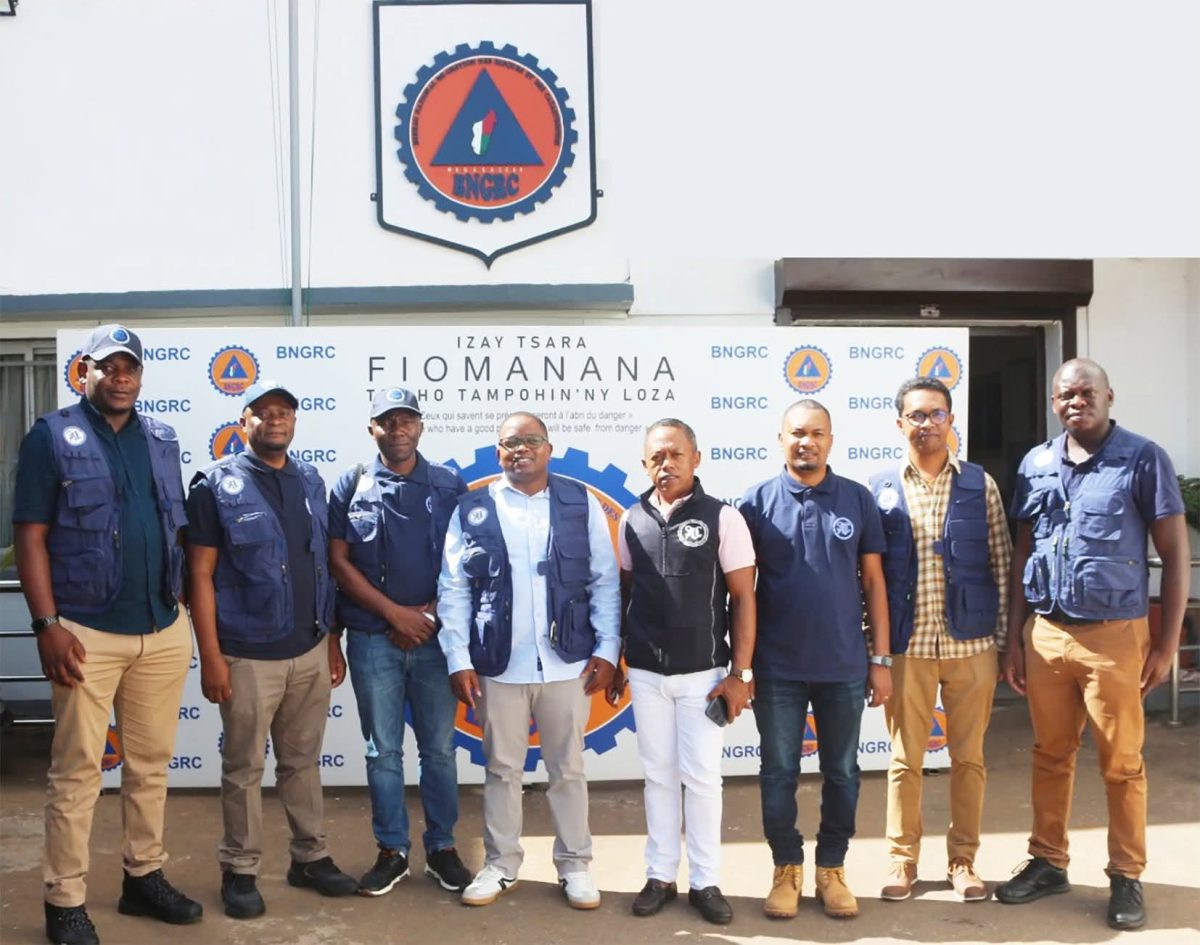


Eswatini Expert Joins SADC Emergency Response Team Deployed to Madagascar Following Tropical Cyclone Gezani
July 20, 2026
Experts Warn of El Nino Risk as Early Warning Systems take Center Stage
July 28, 2026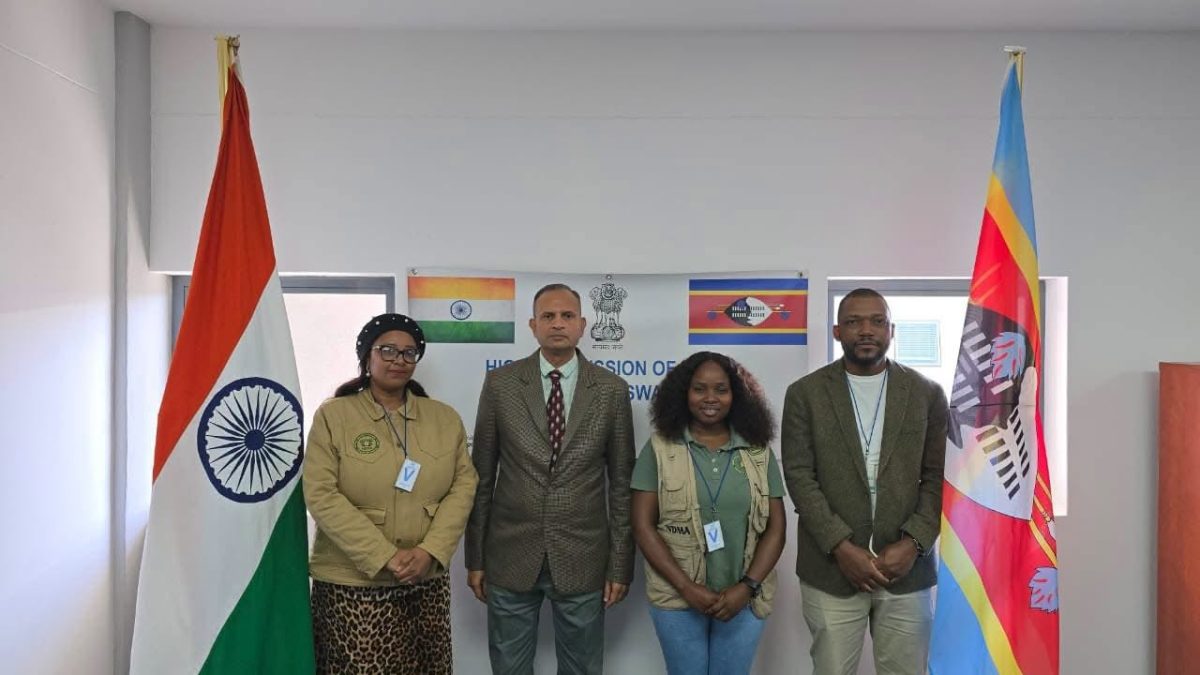
SKILLS GAINED ABROAD STRENGTHEN ESWATINI’S DISASTER PREPAREDNESS CAPACITY
Three disaster risk management officers from NDRMA have returned home after successfully completing an intensive training programme in India under the Indian Technical and Economic Cooperation (ITEC) initiative, marking another step in strengthening the country’s disaster preparedness and resilience systems.
The officers participated in the Comprehensive Disaster Risk Management course held in New Delhi, a programme designed to enhance technical expertise in disaster risk reduction, preparedness, and response within a rapidly changing global risk environment.
Their participation formed part of Eswatini’s broader efforts to strengthen institutional capacity, improve early warning systems, and reinforce coordinated disaster response mechanisms at national level.
Before the departure to India, the officers also met with the High Commissioner of India to Eswatini, His Excellency N. Ram Prasad, who commended them for representing the country and encouraged them to apply the knowledge gained to strengthen national systems.
Speaking on the value of the programme, NDRMA Chief Executive Officer Victor Lusekwane Mahlalela said the training will have a direct impact on strengthening operational capacity within the country.
“What our officers have gained from this programme is not just academic knowledge, but practical skills that must now be applied to improve how we plan, coordinate, and respond to disasters in Eswatini,” said Mahlalela.
He added that continuous capacity building remains central to building a resilient disaster risk management system capable of responding to evolving risks.
The NDRMA noted that the ITEC programme, supported by the Government of India, remains an important platform for professional development and international knowledge exchange in the disaster risk management sector.
The Authority further emphasized that insights gained from the training are expected to strengthen early warning systems, preparedness planning, and operational efficiency across the country.
As Eswatini continues to invest in skills development and international cooperation, such programmes play a critical role in ensuring that national systems remain responsive, modern, and aligned with global best practices.