

SKILLS GAINED ABROAD STRENGTHEN ESWATINI’S DISASTER PREPAREDNESS CAPACITY
July 20, 2026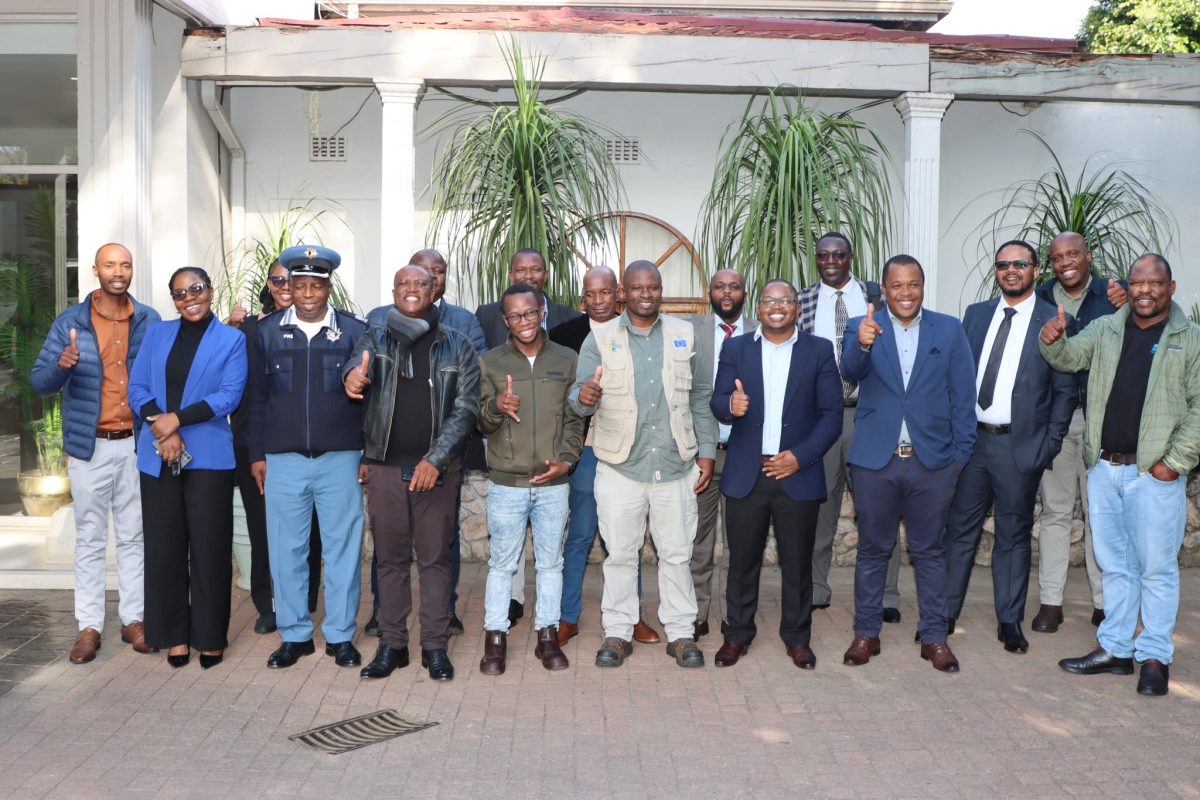
Experts Warn of El Nino Risk as Early Warning Systems take Center Stage
With seasonal risks shifting and El Niño conditions emerging on the horizon, disaster risk experts have moved to strengthen national preparedness through closer coordination and improved early warning systems.
Key stakeholders drawn from hazard monitoring, forecasting, risk analysis, and emergency communication met at Mountain View Hotel during the Early Warning Technical Working Group (EW-TWG) meeting, where they reviewed recent hazard events and assessed the seasonal outlook for the coming months.
The discussions focused on strengthening readiness for emerging shocks, with particular attention given to anticipated El Niño conditions and what they could mean for rainfall patterns, livelihoods, and national preparedness planning.
The meeting also highlighted the importance of ensuring that early warning information does not remain at technical level, but is effectively translated into action at community and institutional levels.
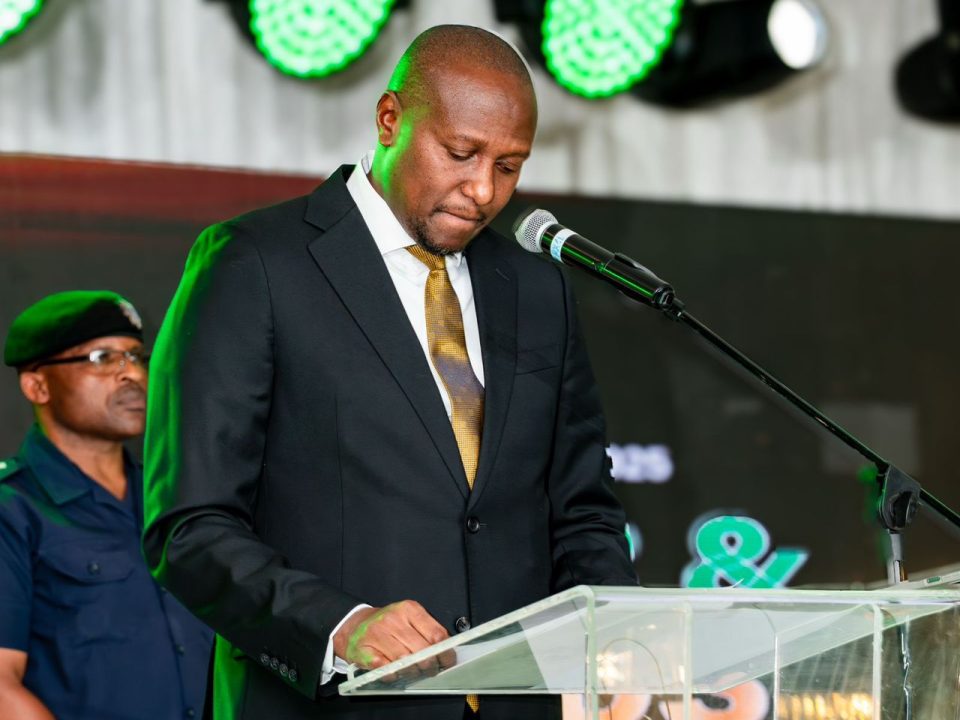
Speaking during the session, NDRMA Chief Executive Officer Victor Lusekwane Mahlalela stressed that early warning only becomes meaningful when it leads to timely response.
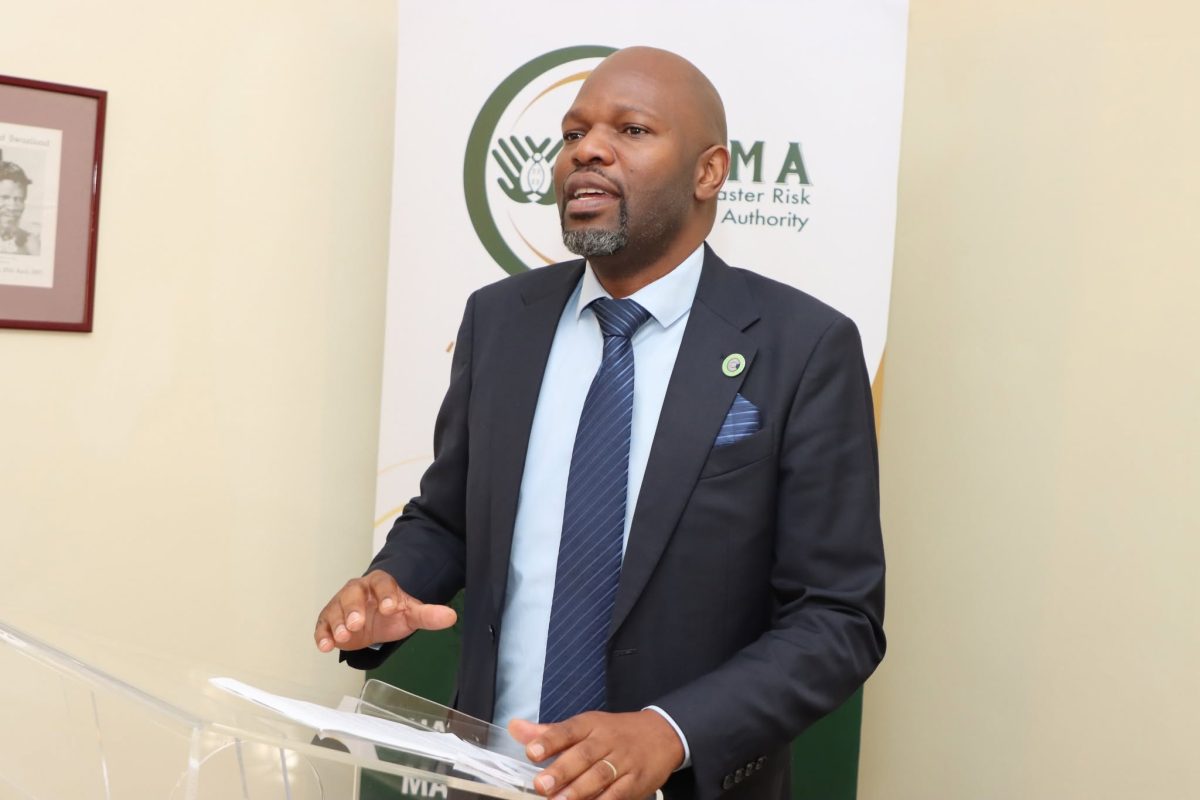
“Our systems must go beyond generating forecasts. The real value of early warning lies in how quickly and effectively that information is translated into coordinated action that reduces risk and protects communities,” said Mahlalela.
He added that stronger coordination between technical agencies remains essential in ensuring consistency, clarity, and trust in early warning communication.
The meeting reaffirmed a shared commitment to strengthening multi hazard early warning systems and improving national preparedness for climate and disaster related risks.
NDRMA remains committed to advancing coordinated early warning systems that support timely decision making and protect lives, livelihoods, and development gains.